News and Industry Updates

Updates, tips, and insights.

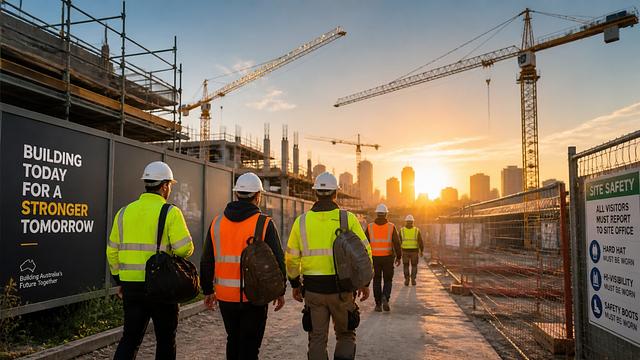
Why Employer Branding Matters in Construction and How to Build One That Attracts Workers
construction workforce labour shortage construction careers workforce trends

Why Employer Branding Matters in Construction and How to Build One That Attracts Workers

In a tight labour market, your reputation is your best recruitment tool. How construction employers can build an employer brand that attracts workers and keeps them.

Read more →
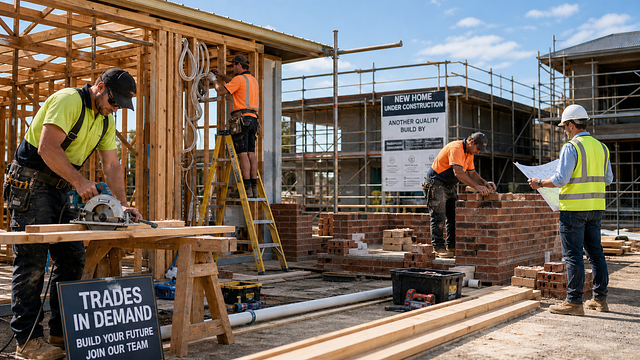
Are Carpenters Still in Demand? A Closer Look at Salary Trends & Australia's Best-Paying Carpentry Roles
construction careers workforce trends FIFO jobs construction news industry updates

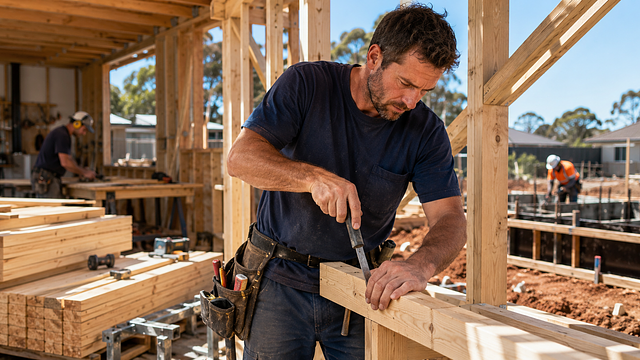
Are Carpenters Still in Demand? A Closer Look at Salary Trends & Australia's Best-Paying Carpentry Roles

Discover real-world carpenter salaries across Australia's carpentry trades, from bench joiners to formwork specialists, and understand how different pay structures impact earnings during the housing shortage.

Read more →
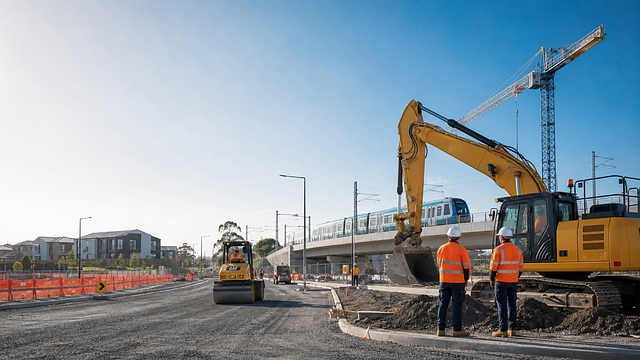
Construction is Still Moving in 2026: What the Current Pipeline Means for Jobs
construction news workforce trends infrastructure major projects construction careers industry updates

Construction is Still Moving in 2026: What the Current Pipeline Means for Jobs

Australia’s construction pipeline is still active in 2026, with ongoing infrastructure delivery, housing-enabling works, and workforce pressure keeping job demand strong across the sector

Read more →
Fast Tracked Tradies: Federal Budget 2026–27 Boosts Skilled Migration for Construction
visa updates workforce trends construction careers construction news industry updates infrastructure

Fast Tracked Tradies: Federal Budget 2026–27 Boosts Skilled Migration for Construction

The 2026–27 Federal Budget keeps Australia’s permanent migration intake at 185,000 and channels around 70% into the skilled stream, with new funding to fast‑track trade skills assessments and licensing. This means more job‑ready migrant tradies for construction, civil and mining projects across Australia.

Read more →
The Trades Most in Demand Across Australian Construction Right Now
workforce trends construction workforce labour shortage construction careers

The Trades Most in Demand Across Australian Construction Right Now

Australia’s most in-demand trades right now are bricklayers, carpenters, roofers, electricians, and plumbers, with demand still high across the country

Read more →
How Skilled Migration Can Help Fill Your Construction Workforce Gaps
construction workforce labour shortage visa updates workforce trends infrastructure

How Skilled Migration Can Help Fill Your Construction Workforce Gaps

When local hiring isn't enough, skilled migration fills the gap. A practical overview of visa pathways and what construction employers need to know before sponsoring overseas workers.

Read more →
Regional Construction in Australia: Where the Work Is and Why It Matters
construction workforce labour shortage infrastructure mining workforce trends

Regional Construction in Australia: Where the Work Is and Why It Matters

Regional construction demand is growing across Australia, driven by renewables, mining, water infrastructure and road upgrades. This article looks at why regional hiring is harder than metro sourcing, where the opportunities are for workers, and how employers can build stronger labour pipelines for regional projects.

Read more →
The $6 Trillion Iron‑Ore Bonanza: WA’s Discovery That Will Reshape Australia
mining major projects workforce trends construction news industry updates infrastructure

The $6 Trillion Iron‑Ore Bonanza: WA’s Discovery That Will Reshape Australia

Western Australia's Pilbara region has discovered an estimated 55 billion tonnes of high-grade iron ore worth around US $6 trillion in the Hamersley basin. This major find positions Australia as a dominant global mineral supply powerhouse for decades to come.

Read more →
What Skilled Migration Actually Means for Australia's Construction Workforce
labour shortage construction workforce workforce trends visa updates

What Skilled Migration Actually Means for Australia's Construction Workforce

Skilled migration remains a key part of Australia’s construction workforce strategy, helping fill gaps across trades, engineering, regional projects and major infrastructure. This article looks at the main visa pathways, what overseas workers need to prepare, and why employers need to treat migration as part of long-term workforce planning.

Read more →
Women in Construction: Why the Industry Needs More of Them and What's Changing
construction workforce construction careers workforce trends labour shortage industry updates

Women in Construction: Why the Industry Needs More of Them and What's Changing

Women are still underrepresented in construction, but that’s starting to change as the industry looks for more workers and more flexible roles. The article’s main point is that attracting more women is now a workforce necessity, not just a diversity goal

Read more →
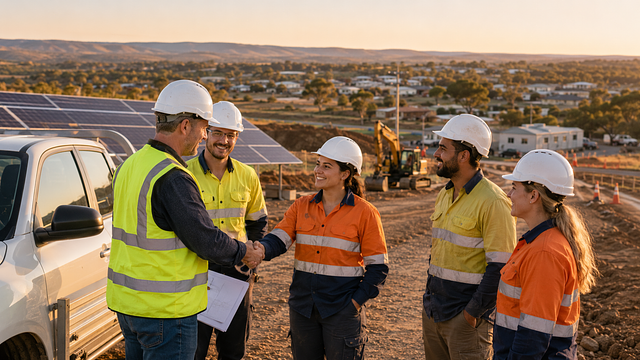
How the Renewable Energy Buildout Is Creating a New Wave of Construction Jobs
infrastructure major projects construction workforce workforce trends

How the Renewable Energy Buildout Is Creating a New Wave of Construction Jobs

Australia’s renewable energy buildout is creating major construction demand across wind, solar, battery storage, pumped hydro and transmission projects. This article looks at the civil, electrical, plant and infrastructure work involved, where demand is strongest, and why renewable energy construction is becoming a long-term opportunity for skilled workers and employers.

Read more →
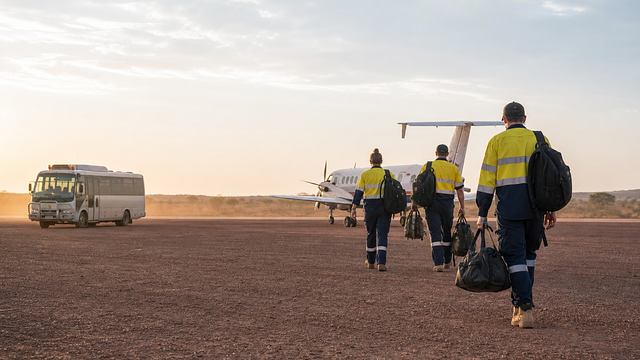
Why FIFO Workers Are the Backbone of Australia's Remote Construction and Mining Industry
FIFO jobs mining workforce trends construction workforce

Why FIFO Workers Are the Backbone of Australia's Remote Construction and Mining Industry

FIFO workers keep remote construction and mining projects moving across Australia, especially where local labour is thin and travel is part of the job. It’s a key workforce model for keeping major regional projects staffed.

Read more →