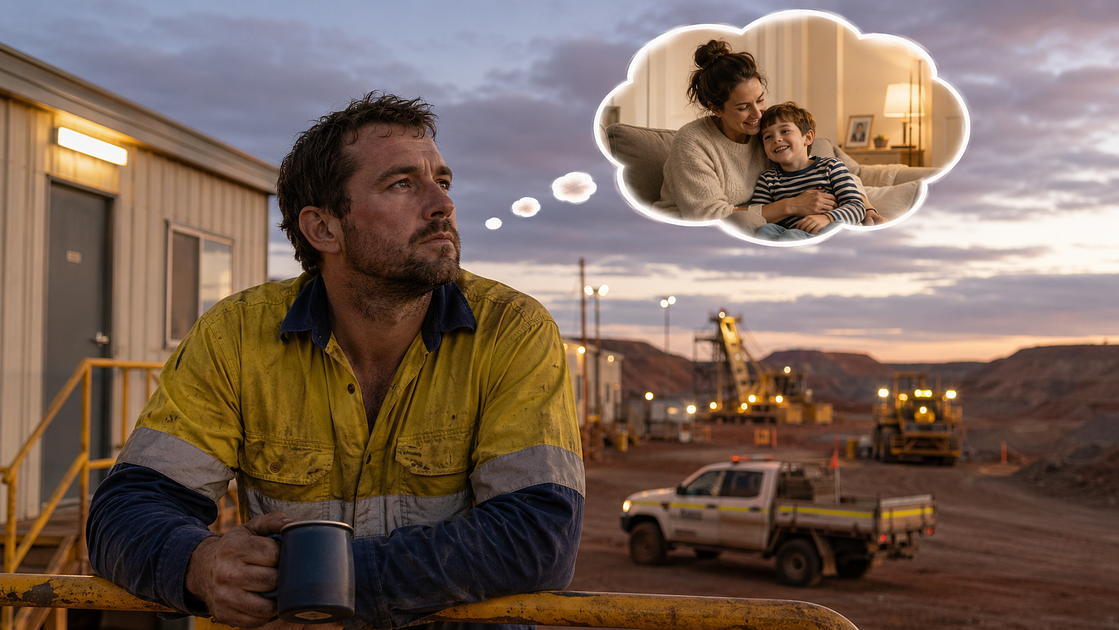
Understanding Rosters in Construction and Mining: What Workers Need to Know
When you are looking for work in construction or mining especially FIFO or remote roles the roster structure is one of the most important details you need to understand before you accept a position. It affects your pay, your lifestyle, your relationships and how sustainable the work is long-term.
Different projects and employers use different roster models. Knowing what each one means in practice helps you make an informed decision, not just a financial one.
The most common roster structures
2 weeks on / 1 week off (2:1)
This is one of the most widely used rosters in mining and FIFO construction. You spend fourteen days on site, then seven days at home. It is a common starting roster for workers entering the FIFO space and suits those who want steady income with reasonable time off. Over the course of a year, you are on site for roughly eight months.
8 days on / 6 days off (8:6)
An increasingly popular model, particularly in resources and maintenance. The shorter swing means less time away from home per cycle, which many workers and their families prefer. Pay rates tend to be comparable to longer rosters, though the back-and-forth travel is more frequent.
4 weeks on / 2 weeks off (4:2)
Common in remote or offshore roles where the travel cost and logistics make shorter swings less efficient. Better suited to workers who can mentally separate their work and home periods clearly. Higher earning potential due to more days on site, but more difficult for those with young families or significant home commitments.
Residential with extended hours
Not all site work is FIFO. Large urban infrastructure projects rail, road, tunnels often run on residential rosters where workers drive to site daily or stay in nearby accommodation through the week. These can involve long days and some weekend work but allow workers to sleep in their own home most nights.
Shutdown and maintenance rosters
Shutdown work typically involves intense short bursts five to twelve days on site working long shifts, followed by time off. Pay rates are high, the work is demanding and the duration is finite. For workers who want good money without a long-term commitment, shutdowns are a practical option.
What to ask before you accept a roster
Before you commit to a role, there are some practical questions worth asking:
- What are the exact swing days, including travel days? (Travel day pay and inclusion in the roster counts vary between employers.)
- Is accommodation a single room or shared?
- What does the camp provide - meals, laundry, recreation?
- Is there phone signal or internet access on site?
- What is the process if you need to return home unexpectedly?
- Are there penalty rates, overtime or allowances on top of base pay?
- How stable is the project, is this a six-month role or a three-year commitment?
These might seem like minor details, but they are the difference between a roster that works for your life and one that does not.
Rosters and mental health
The mental health impact of extended time away from home is real and worth acknowledging. The construction and mining industry has historically done a poor job of supporting workers through the psychological demands of remote work. That has improved in recent years, with more employers investing in EAP services, on-site pastoral care and mental health resources for FIFO workers and their families.
Workers going into FIFO roles for the first time should plan for the transition. Communication routines with family, clear financial goals, physical fitness and maintaining social connections on site all help.
Finding roles with the right roster
Construction Jobs Australia lists FIFO, remote and residential construction and mining roles across Australia. When you find a role that interests you, read the roster details carefully and ask questions before you accept. The right role on the wrong roster is not the right role.
Browse current opportunities at Construction Jobs Australia, or read more about why FIFO workers are essential to Australia's remote construction and mining industry