How to Move Into a Supervisory Role in Construction: What It Takes and How to Get There
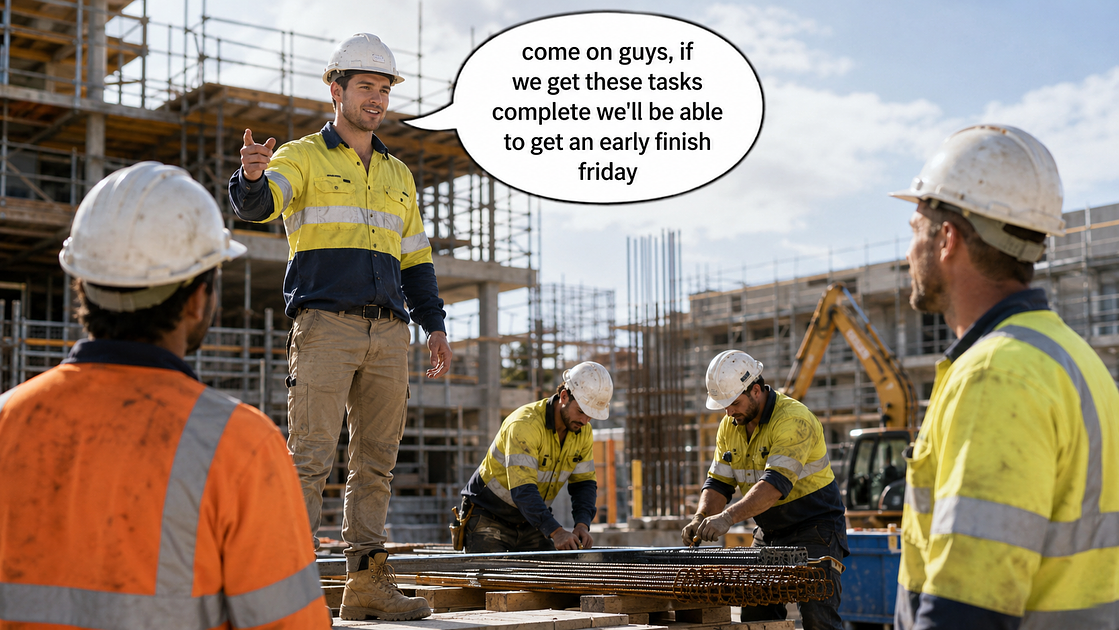
A lot of experienced construction workers reach a point where they're clearly ready to step up they know the job inside out, the younger crew looks to them for direction, and their foreman or site super has told them they've got the potential. But somehow the actual step into a supervisory role doesn't happen.
This is more common than people think. Strong tradespeople and site workers don't automatically translate into effective supervisors, and employers know it. Making the move takes deliberate preparation not just waiting for someone to notice you're good at your job.
This article breaks down what supervisory roles in construction actually involve, what employers look for, and the practical steps to position yourself for that next level.
Understanding What Supervision Actually Means on Site
The biggest shift when moving from a trade or labouring background into supervision isn't technical it's operational. You're no longer just responsible for your own output. You're responsible for a team's output, safety, productivity, and behaviour.
On a typical construction or civil site, supervision roles might include:
- Leading Hand - working supervisor, manages a small crew while still on the tools
- Foreperson - full supervision of a crew or work package, usually off the tools
- Site Supervisor - manages multiple crews or subcontractors across a project
- Project Supervisor - broader project oversight, usually reporting to a project manager
Each level involves more planning, more communication, more administrative responsibility, and more accountability when things go wrong. Before chasing a supervisory role, it's worth being honest about whether you actually want those responsibilities because a lot of people realise mid-transition they preferred the clarity of being on the tools.
What Employers Look For in a Construction Supervisor
When an employer is promoting or hiring for a supervisory role, technical ability is assumed. What they're actually assessing is:
Leadership and communication - Can you direct a crew clearly, resolve disputes without drama, and communicate progress to a project manager? Supervisors who can't communicate effectively create problems up and down the chain.
Safety awareness and accountability - Supervisors are the main line of defence for day-to-day safety on site. Employers want people who enforce safe work practices without being asked and who don't let shortcuts happen just because the schedule is tight.
Problem-solving under pressure - Things go wrong on every project. Material delays, weather, subcontractor issues, equipment breakdowns. Supervisors who can adapt and keep work moving are worth their weight.
Paperwork and admin basics - Most supervisory roles involve some level of documentation: daily diaries, toolbox talks, SWMS, timesheets. Candidates who resist the admin side of supervision are a risk to any employer.
Consistency and reliability - A supervisor who's erratic, unpredictable or hard to read creates stress across the whole crew. Employers want supervisors who show up the same way every day.
The Qualifications Worth Having
You don't always need a formal qualification to become a site supervisor in construction but they help, particularly if you're competing against other experienced candidates.
Relevant qualifications include:
- Certificate IV in Building and Construction (Site Management) - one of the most widely recognised pathways for site supervisors
- Diploma of Building and Construction (Management) - for more senior supervisory or project-level roles
- Certificate IV in Leadership and Management - useful if your supervisory role spans teams with mixed trades
- First Aid (minimum Level 2) - expected in most supervisory positions
- White Card - goes without saying
For civil and infrastructure work, Construction Induction is baseline. Some civil employers also require specific competencies around traffic management, earthworks, or drainage depending on the project type.
It's worth checking with your state's licensing body whether your supervisory role requires a formal builder's registration or licence, particularly for residential or commercial work above certain values.
How to Build Your Case for Promotion
If you're targeting a supervisory step-up within your current employer, the approach is different from applying externally. You need to build a visible track record over time.
Practical steps that work:
- Volunteer for leading hand duties before you hold the title. Show you can manage a small crew, run a toolbox talk, and coordinate logistics without being asked.
- Get your paperwork right complete your daily diary, SWMS and timesheets accurately and on time. Supervisors who are already good at the admin side are far easier to promote.
- Have the conversation directly ask your project manager or supervisor what they're looking for in the next supervisor candidate and what you'd need to demonstrate. Most employers respect directness.
- Enrol in a relevant short course Certificate IV study while working full-time shows initiative and investment in your own development.
- Ask to attend site meetings even as an observer. Understanding how project meetings work, what gets discussed, and how decisions are made is part of preparing for supervision.
If You're Applying for Supervisory Roles Externally
If you're moving to a new employer in a supervisory capacity, you need to make the case on paper before you get to the interview.
Your resume should:
- Clearly identify any periods where you took on leading hand or supervisory responsibility, even informally
- Show the scale of projects you've worked on project value, team size, and duration
- Reference specific outcomes completing a package on time, managing subcontractors, safety record
- Include your relevant qualifications and licences prominently
In the interview, expect questions about how you handle conflict on site, how you run safety briefings, and how you deal with underperforming workers. These are standard prepare answers based on real experiences.
The Career Trajectory Is Worth It
Stepping into supervision opens up a career trajectory that purely site-based roles don't offer. Leading hand to foreperson, to site supervisor, to project supervisor each step increases your value, your earning capacity, and your options.
Australia's construction pipeline remains substantial across infrastructure, civil, and resources, and the demand for experienced site supervisors consistently outpaces supply. That gap represents genuine opportunity for workers who are ready to step up.
Browse supervisory and leading hand roles on Construction Jobs Australia, or explore how CJ Recruitment Global connects experienced supervisors with employers across major Australian projects.