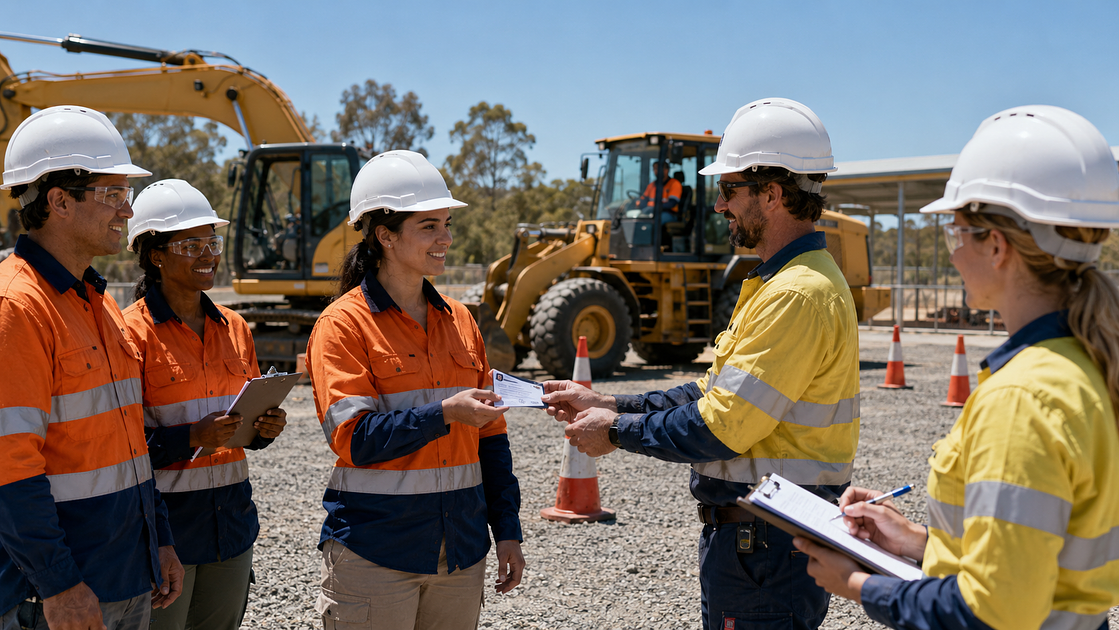
How to Find FIFO Work in Australia A Practical Guide for First-Timers
FIFO work has a reputation. Some people love it, others try it once and move on. But for thousands of Australian construction and mining workers, fly-in fly-out rosters are a legitimate path to higher earnings, career progression, and the chance to work on some of the country's most significant projects.
If you've never done FIFO before and want to understand how it actually works and how to get your first role this guide covers the practical side of it.
What FIFO Work Actually Involves
FIFO stands for fly-in fly-out. Workers are flown to a remote project or mine site, usually in WA, Queensland, the NT, or regional SA and NSW, work their roster, and then fly back home for their break.
Common roster patterns include:
- 2 weeks on / 1 week off - popular in mining and construction
- 4 weeks on / 1 week off - used on some larger projects, harder on families
- 8 days on / 6 days off - common in operational mining
- 5 and 5 or 7 and 7 - used across various construction projects
During your working swing, you typically stay in a camp or village near the site. Meals, accommodation and laundry are usually provided. You work long days often 10–12 hours but the compressed roster means your break time is genuinely yours.
Pay rates for FIFO roles are generally higher than equivalent city-based work, reflecting the conditions and the remote allowances involved.
Who FIFO Work Suits and Who It Doesn't
Being honest with yourself about whether FIFO suits your life is important before you commit. Employers can tell when a candidate isn't well-suited for remote work, and the industry is small enough that a bad reputation follows you.
FIFO tends to suit people who:
- Are comfortable with time away from home and have a stable home base
- Are self-reliant and don't need a lot of social infrastructure during work periods
- Are motivated by savings goals FIFO workers can accumulate money fast when they're disciplined
- Want to work on large-scale infrastructure or mining projects
- Are at a stage of life where extended rosters are manageable
It's harder if you have young children, a partner who isn't supportive of the schedule, or if you find remote or isolated environments mentally difficult. This isn't a value judgement it's practical. FIFO burnout is real, and it's better to know this going in.
What Tickets and Licences You'll Need
For most FIFO roles whether in mining, civil or construction you'll need:
- White Card (valid, not expired)
- Relevant trade qualification or plant tickets for your role
- HR or HC licence if operating heavy vehicles on site
- Ability to pass a pre-employment medical this often includes hearing and vision tests, drug and alcohol screening, and physical fitness assessment
- Police clearance some mine sites and resource projects require this
For mining specifically, you may also need to complete or be willing to complete:
- Site-specific inductions
- Generic resource sector safety training
- First aid (standard across most roles)
Some operators run their own ticket systems (like Rio Tinto or BHP). You may be asked to complete short online modules before your first swing.
Where to Actually Find FIFO Jobs
This is where a lot of first-timers get confused. Some paths into FIFO work well; others are time-wasters.
Labour hire and recruitment agencies remain one of the most reliable pathways for entry-level FIFO work. Companies like SYMAL, Programmed, WorkPac, and Chandler Macleod regularly hire for FIFO roles and are good for workers without prior site-specific experience.
Direct applications to mining companies and major contractors are worth trying, particularly for experienced workers with strong track records and specific tickets. Companies like Thiess, Macmahon, Perenti, and MACA regularly advertise for experienced operators and tradespeople.
Job boards that focus on the construction and resources sector are useful for browsing active roles. Construction Jobs Australia lists FIFO construction and civil roles across WA, QLD, and regional projects.
Networking still works in this industry. If you know someone on a project, a referral or a direct introduction to a supervisor is often worth more than a cold application. Facebook groups focused on mining and civil work in Australia are surprisingly active and often have job leads.
What the Hiring Process Looks Like
For most FIFO roles, the process moves faster than office-based hiring. Employers need workers, and they need them quickly. You can often go from application to start date in under two weeks if everything lines up.
A typical process:
- Apply with current resume and ticket copies
- Phone screen with a recruiter or HR contact - usually 10–15 minutes
- Pre-employment medical (you book and attend this yourself, then submit results)
- Police check if required
- Site induction details and travel logistics sorted
- Start date confirmed
Be responsive during this process. Delays on your end, slow responses, missing documents, not booking your medical are one of the most common reasons candidates miss out on roles.
Before You Commit Questions Worth Asking
Before you accept a FIFO role, make sure you're clear on:
- What is the exact roster pattern?
- Where do you fly from and which airport?
- Is accommodation and meals fully provided?
- Is there a return flight allocation for emergencies?
- What's the camp like single rooms or shared?
- What are the internet and phone conditions on site?
- Is this direct hire, labour hire, or subcontract?
- What are the accommodation conditions if something changes mid-project?
These aren't difficult questions and any legitimate employer will answer them directly. If they're evasive on the basics, that's worth noting.
A Good First FIFO Role Is a Career Launcher
Landing your first FIFO position is often the hardest step. Once you have one completed roster under your belt with a reference you can use, the next opportunity comes significantly easier. Many workers who start in FIFO roles on civil or construction projects transition into long-term mining positions with consistent income and manageable rosters.
Browse current FIFO construction and civil roles at Construction Jobs Australia. If you're an experienced candidate looking for support, CJ Recruitment Global also works directly with employers placing Australian and international talent into construction and resources roles.